
Unprecedented Heatwave Grips the Globe
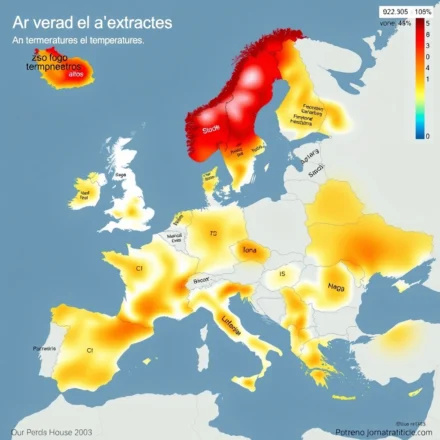
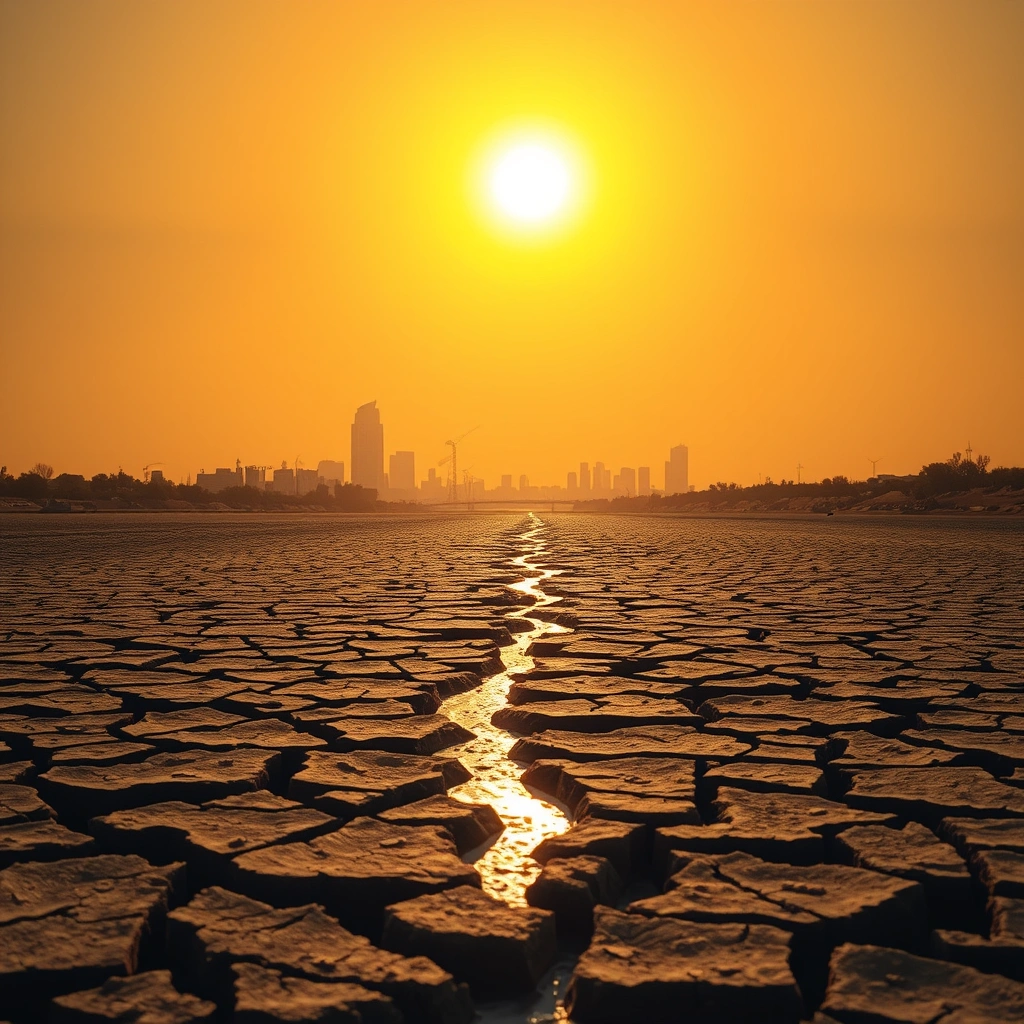
As the summer of 2026 reaches its peak, several major cities across the world are experiencing an unprecedented heatwave, with temperatures soaring above historical averages. From New Delhi to Los Angeles, the scorching heat has exacerbated drought conditions, leading to severe water shortages.
Emergency Measures in Affected Regions
Local governments have been forced to enact emergency water rationing, restricting usage for non-essential activities such as watering lawns and filling swimming pools. In Cape Town, the situation has escalated to ‘Day Zero’ fears, where municipal supplies could run dry. Similar crises loom in São Paulo and Beijing, prompting urgent infrastructure investments and conservation campaigns.
Climate Change: The Underlying Catalyst
Climate scientists attribute this extreme weather to a combination of natural variability and human-induced climate change. The Intergovernmental Panel on Climate Change warns that such heatwaves are becoming more frequent and intense, stressing the need for global action to curb greenhouse gas emissions.
Socio-Economic Impact
Beyond the immediate public health risks, the water crisis is taking a toll on agriculture and industry, threatening food security and livelihoods. In California’s Central Valley, farmers are facing reduced water allocations, affecting crop yields. Meanwhile, urban residents in many areas are grappling with rising water prices and the social inequities that accompany shortages.
Innovative Solutions and Future Outlook
In response, cities are turning to innovative solutions such as desalination plants, wastewater recycling, and smart water management systems. Some are also exploring cloud seeding and weather modification techniques. However, experts argue that long-term resilience requires a combination of mitigation, adaptation, and sustainable water policies.
As the world watches, the current crisis serves as a stark reminder of the urgent need for collective action on climate change and water governance. The coming years will be critical in determining whether cities can adapt to the new climatic reality.